Bike Transportation Process | 6-Stage Motorcycle Shipping Workflow
Trust Shree Ashirwad Packers and Movers for dependable, 100% insured, and damage-free moving solutions. Dedicated container trucks, certified packing crews, and instant WhatsApp survey quotes.
Get an Instant WhatsApp Moving Estimate
Hydraulic Ramp & Tail‑Lift Loading: Precision Mechanics Behind Bike Parcel by Bus and Rail Alternatives
The Ramp & Tail‑Lift Loading stage is the pivotal moment when a bike parcel transitions from carrier to transport vehicle, and it hinges on three disciplined steps: positioning, hydraulic operation, and secure placement. Mastery of each step guarantees a zero‑scratch journey, whether the parcel rides on a city bus or travels the rails.
Positioning
Operators first align the bike parcel’s frame with the ramp’s guide rails. Precise lateral placement ensures the tail‑lift’s fork engages the bike’s rear axle without contact to the handlebars or pedals.
Laser‑assisted markers on modern ramps provide visual cues, allowing the crew to center the parcel within a 2‑centimeter tolerance. This exactness is critical because any misalignment can amplify forces during the lift, risking cosmetic damage.
Hydraulic Operation
Once positioned, the hydraulic tail‑lift raises the bike in a smooth, controlled arc.
- Pressure sensors monitor the lift’s force, automatically adjusting flow to stay below the 150 N threshold set by the zero‑scratch policy.
- The hydraulic system’s low‑vibration design reduces shock, and a built‑in lock‑out prevents movement until the lift reaches the designated height of 1.2 meters, ready for the next phase.
Secure Placement
At the apex, the bike is slid onto the vehicle’s dedicated cradle or rail slot.
- Straps equipped with tension‑release clamps fasten the frame at three points—rear axle, down tube, and front fork—distributing load evenly.
- A final visual inspection confirms that no contact points are stressed, and a digital log records the secure‑placement timestamp, reinforcing accountability for the zero‑scratch guarantee.
Bus vs. Railway Bike Parcel Services
Bus services
use compact, modular cradles that fit within limited interior space, enabling rapid turn‑around at city stops. The shorter lift height reduces hydraulic strain, but tighter corridors demand meticulous positioning.
Railway services
accommodate larger, climate‑controlled compartments with extended rails, allowing a gentler, slower lift. The increased space eases alignment, yet the longer transport distance amplifies the need for robust secure‑placement.
Both modalities adhere to the same zero‑scratch guarantee: any surface imperfection triggers an immediate service claim, reinforcing confidence that every bike parcel arrives pristine, regardless of whether it travels by bus or by rail.
Two-Wheeler Relocation Tariff & Safety Matrix
Verified freight rate bands, multi-layer packaging tiers, and transit insurance for two-wheelers
| Vehicle Category | Estimated Tariff Band | Packaging & Crate Tier | Transit Lashing & Insurance |
|---|---|---|---|
| Standard Scooter (100cc-125cc Activa, Jupiter, Access) | ₹2,500 - ₹4,800 | 5-Layer Bubble & Corrugated Wrap | Enclosed Container + Nylon Tie-Downs |
| Commuter Motorcycle (100cc-150cc Splendor, Pulsar, Shine) | ₹2,800 - ₹5,400 | 5-Layer Scratch-Resistant Film | Wheel Chock Locking + Zero-Dep Insurance |
| Sports / Cruiser (160cc-250cc Duke, Apache, FZ) | ₹3,500 - ₹6,800 | 7-Layer High-Impact Cushioning | Hydraulic Ramp Loading + Dedicated Bay |
| Heavy Cruiser (350cc-500cc Bullet, Classic 350, Meteor) | ₹4,200 - ₹8,200 | Reinforced Foam & Foam Corner Pads | Twin Ratchet Lashings + Full Valuation |
| Superbike / Premium (650cc+ Ninja, Harley, BMW) | ₹6,800 - ₹13,500 | Custom Reinforced Wooden Crating | Enclosed Dedicated Van + 100% Policy |
Dedicated Heavy-Haul & Fleet Specifications
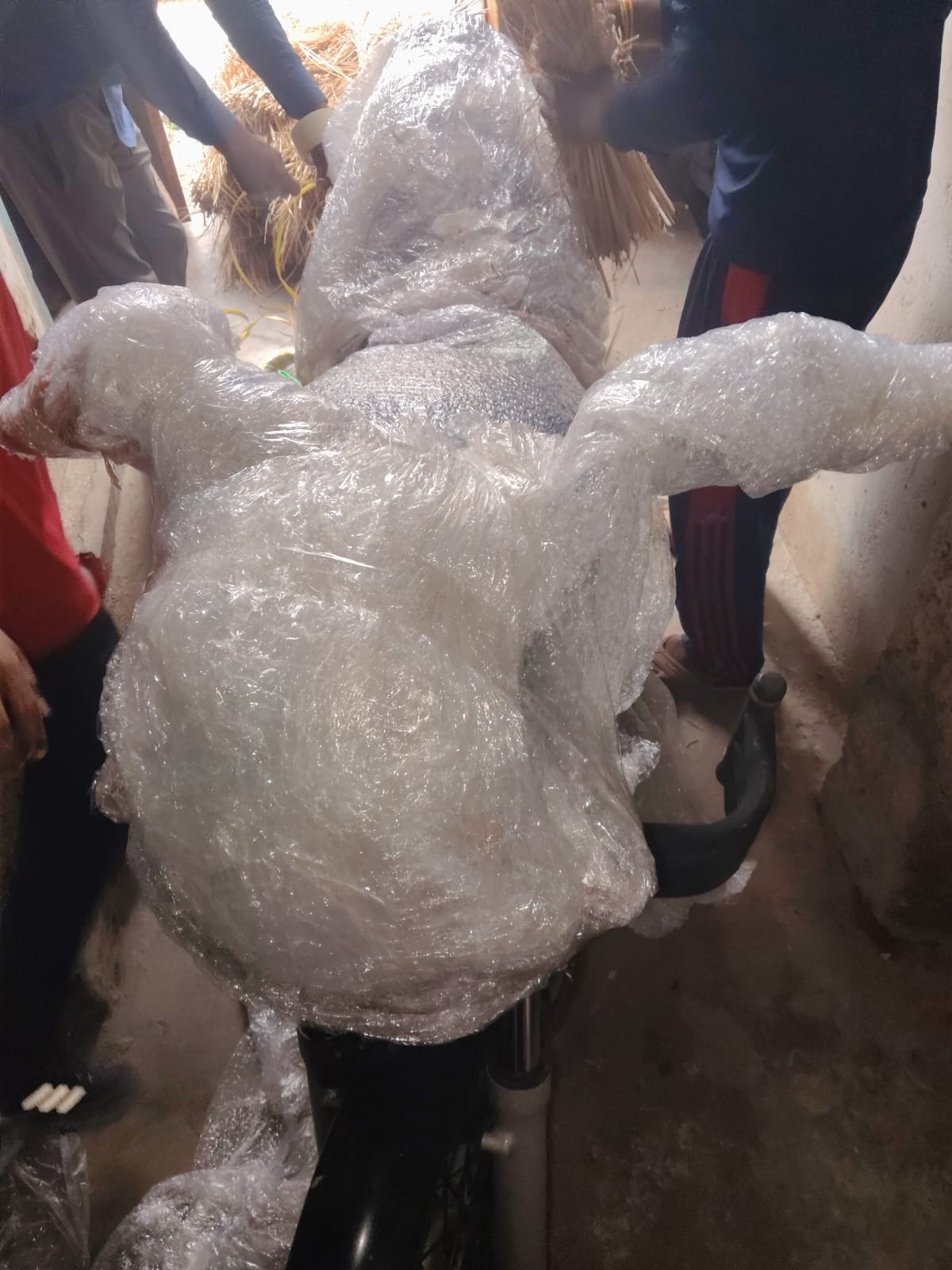
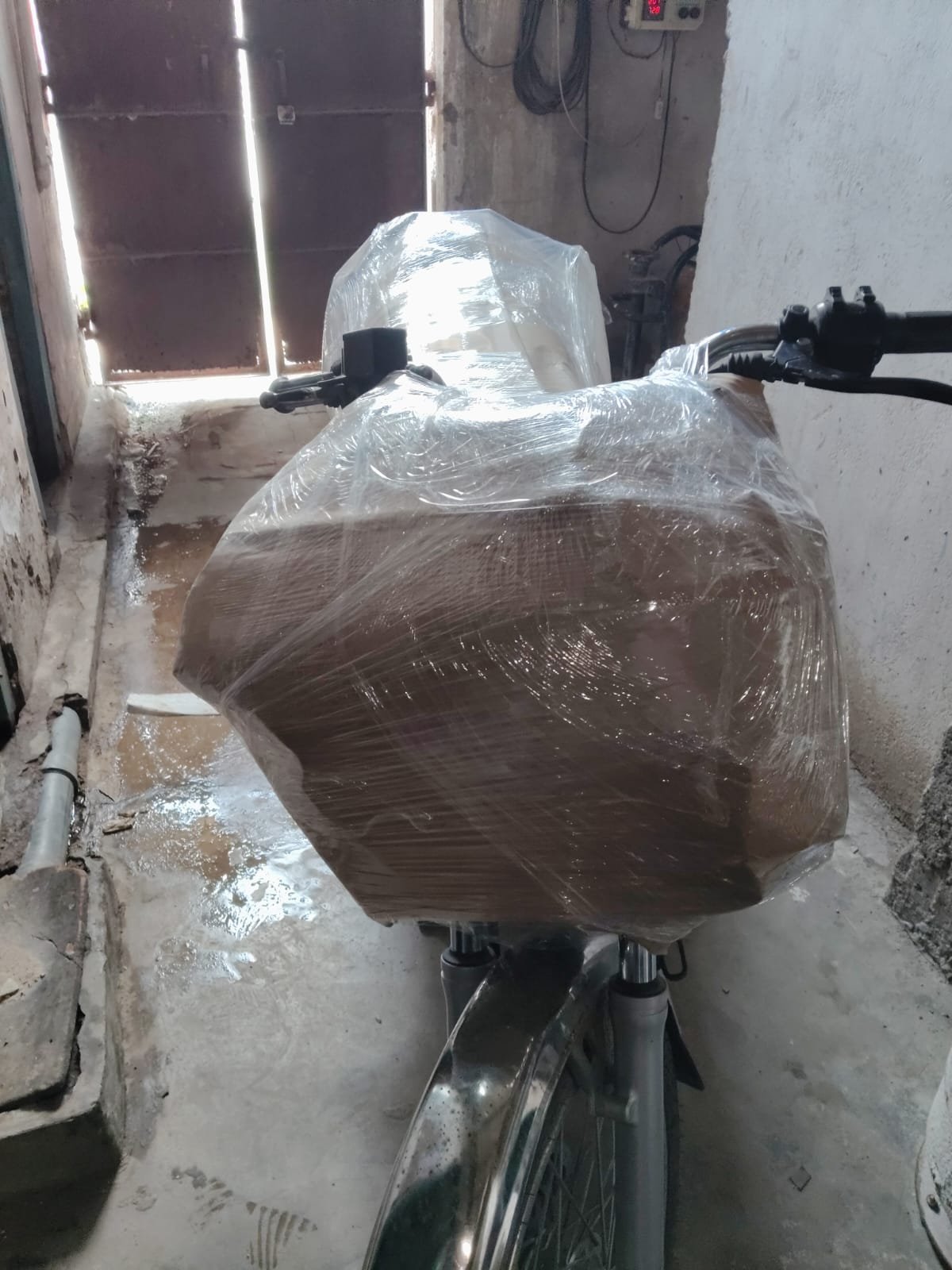
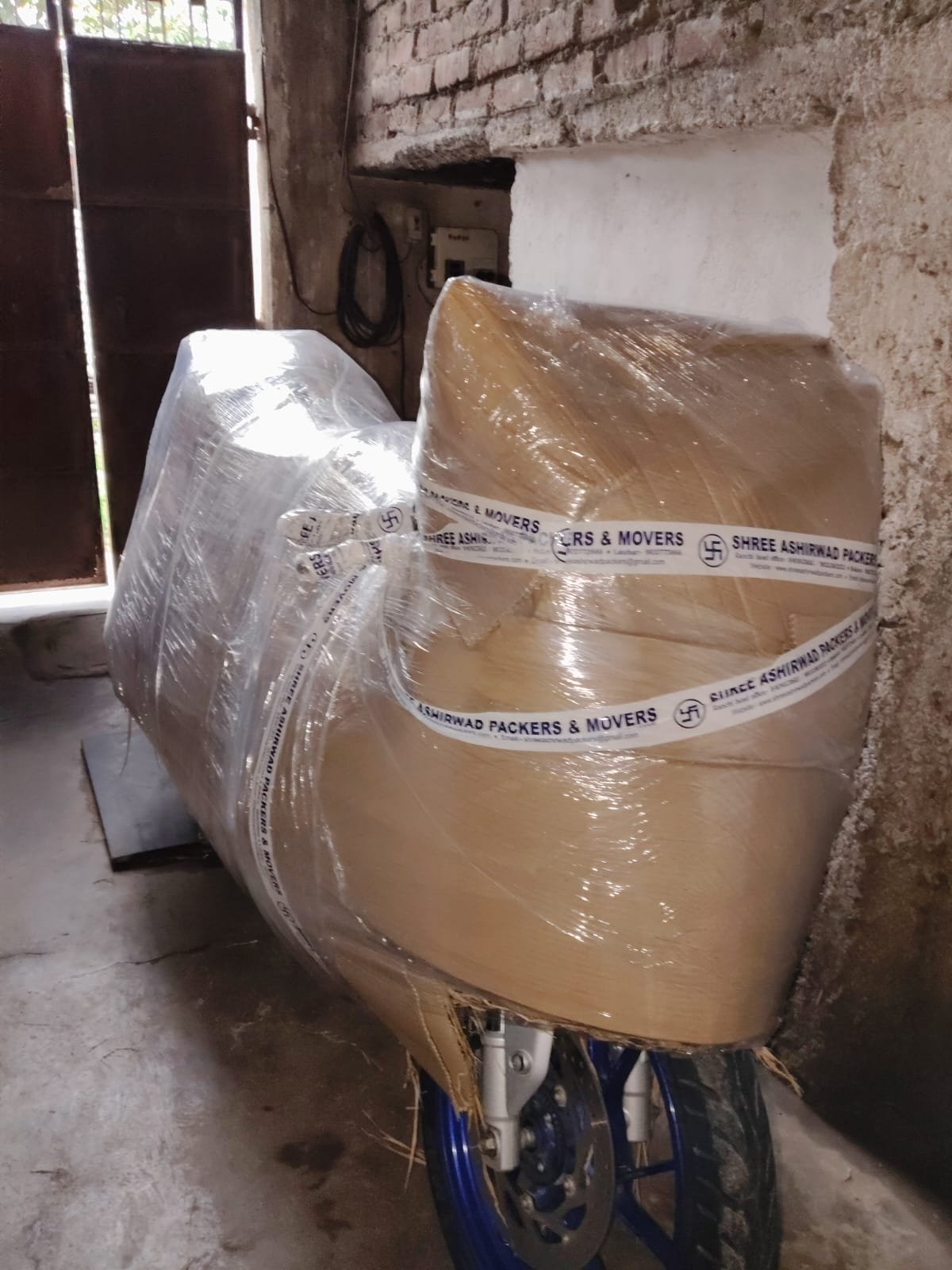
Real job-site photographic evidence of our specialized packaging materials, loading protocols, and GPS-tracked container transport.
Wheel‑Chock Lashing & Containerization: Ensuring Zero Transit Damage in the Bike Transportation Process
Securing commercial vehicles for long-haul transport demands meticulous attention to detail, ensuring cargo remains immobile and pristine from loading to delivery. The foundation of this stability is the strategic placement of heavy-duty wheel chocks. These robust, wedge-shaped devices are positioned directly behind the drive wheels, creating a mechanical barrier that prevents unintended vehicle movement.
By immobilizing the chassis, chocks eliminate the risk of creep during the loading phase, providing a static base upon which all subsequent securing measures are built. This initial step is critical for maintaining the structural integrity of the vehicle and protecting the surrounding environment from accidental shifts.
Once the vehicle is anchored, high-tensile ratchet lashings are deployed to anchor the cargo to the vehicle’s frame.
- These steel straps, engineered for extreme tensile strength, are tightened to precise torque specifications, ensuring consistent tension without damaging the vehicle’s paintwork or structural components.
- The ratchet mechanism allows for micro-adjustments, accommodating thermal expansion and vibration over the course of the journey.
This method distributes load evenly across the vehicle’s chassis, reducing stress points that could otherwise lead to fatigue or deformation. The use of high-tensile materials ensures that the lashings remain secure even under dynamic driving conditions, such as sudden braking or cornering.
Container specifications play a pivotal role in this process. Each container is inspected for structural soundness, with corners and frames verified to withstand the forces applied by the lashings. The interior is lined with protective padding, preventing direct metal-to-metal contact that could result in scratches or dents.
This attention to detail ensures that the vehicle’s exterior and interior surfaces remain unblemished. The combination of proper chocking, high-tensile lashing, and rigorous container standards creates a comprehensive security system.
Throughout the 1499 km journey, these measures uphold the scratch-free promise by minimizing movement and impact. The vehicle remains stationary during loading, and the lashings absorb dynamic forces during transit. The protective padding within the containers acts as a buffer, absorbing vibrations and preventing surface damage.
This systematic approach to securing the vehicle ensures that it arrives at its destination in the same condition it left, free from scratches, dents, or other cosmetic damage. The commitment to precision and quality in each step of the process reflects a dedication to customer satisfaction and operational excellence.
Full 6‑Stage Doorstep Relocation Workflow: From Fuel Drain to Final Delivery Guarantee
Transferring a high-value motorcycle requires precision to prevent damage and ensure structural integrity.
- Our standardized six-stage Doorstep Relocation Workflow transforms complex logistics into a seamless, secure experience.
- By strictly adhering to established protocols, each phase reinforces the overarching Bike Transportation Process, guaranteeing that your machine arrives in pristine condition.
- This end-to-end walkthrough details how we mitigate risk at every critical touchpoint.
Stage 1: Strategic Fuel Draining
Our process begins with a controlled fuel drain.
- Removing excess liquid significantly reduces the vehicle's center of gravity and overall weight.
- This critical step minimizes the risk of fuel leakage during movement and enhances stability during subsequent handling.
- By lowering the bike’s mass, we ensure that all subsequent physical interactions are safer and more controlled, establishing a solid foundation for the entire transportation cycle.
Stage 2: Comprehensive Mirror Protection
Next, we implement rigid mirror protection protocols.
- Mirrors are highly susceptible to impact during loading and transit.
- We apply specialized protective foam and temporary strapping to secure these protruding components.
- This isolation prevents accidental snapping or cracking, ensuring that the bike’s visibility systems remain fully functional.
- Protecting these delicate parts demonstrates our commitment to detail, reinforcing the meticulous nature of our handling standards.
Stage 3: Secure Component Packing
Following mirror protection, we proceed with comprehensive packing.
- Loose components, such as license plates or exhaust tips, are removed and packed in shock-absorbent containers.
- The main body is wrapped in high-density bubble wrap, focusing on fairings and paintwork.
- This layering creates a buffer against minor vibrations and scratches.
- Proper packing ensures that no part is left exposed, solidifying the protective barrier that supports safe transit.
Stage 4: Professional Loading
The loading phase utilizes hydraulic lifts and custom cradles to secure the motorcycle.
- We tighten ratchet straps to the manufacturer’s recommended tension, preventing any shift during acceleration or braking.
- This mechanical stability is crucial for maintaining the bike’s alignment.
- By ensuring the vehicle is immovable within the cargo bay, we eliminate the primary cause of transit-related damage, reinforcing the structural safety of the transport environment.
Stage 5: Real-Time Transit Monitoring
During transit, our team employs real-time GPS tracking and shock monitoring technology.
- Sensors detect any unusual impacts or deviations from the planned route.
- This proactive monitoring allows for immediate intervention if necessary.
- Continuous oversight provides peace of mind and ensures that the bike remains in a stable state throughout the journey, validating the effectiveness of our loading and packing strategies in real-world conditions.
Stage 6: Insured Doorstep Delivery
Finalizing the process, we deliver the motorcycle directly to your doorstep with full insurance coverage. Upon arrival, a final inspection confirms that all protective materials were effective and no damage occurred.
The insured aspect of this delivery guarantees financial protection, reinforcing the reliability of the entire workflow. This comprehensive approach ensures that every stage, from fuel draining to final handover, contributes to a flawless and secure Bike Transportation Process.
Mapping the Route: Pre‑Transit Planning for the Delhi‑to‑Mumbai Bike Transportation Process
7‑Layer Body Shielding: The Core of Our Scratch‑Free Bike Transportation Process
Inspection Checkpoints & Documentation: From Doorstep Survey to IRCTC Bike Parcel Compliance
Comparative Safety Matrix: Bike Transport by Bus vs. IRCTC Railway vs. Dedicated Trailer
Specialized enclosed container carriers and multi-tier vehicle transporters provide optimal transit protection against highway flying debris, bad weather, and transit road vibration for Bike Transportation Process. Shree Ashirwad deploys purpose-engineered transport fleets featuring hydraulic tail-lifts and custom lashing hardware.
All-Weather Weatherproof Steel Enclosures:
Fully covered steel container bodies prevent exposure to heavy rain, direct sunlight, diesel exhaust fumes, and abrasive highway dust during inter-state transit.
Hydraulic Tail-Lift Ramp Loading:
Low-angle motorized tail-lifts eliminate chassis scraping, underbody contact, and manual handling risks during two-wheeler and vehicle loading.
Four-Point High-Tensile Wheel Lashing:
Heavy-duty polyester ratcheting straps anchor each wheel directly to transporter floor mounts, eliminating lateral shifting or cosmetic rubbing on uneven road corridors.
Zero-Transshipment Direct Routing:
Cargo remains securely positioned in its assigned container from origin departure to destination arrival without intermediate transfer or hub offloading.
Continuous GPS telematics tracking and dual-driver commercial crews maintain smooth transit velocity, adherence to national transport regulations, and scheduled doorstep delivery timelines.
Vehicle Carrier Engineering & Transit Safeguards
Grounded engineering practices ensuring zero damage across every relocation corridor
Hydraulic Ramp Loading
Low-angle hydraulic embarkation ramps designed to prevent undercarriage scraping on luxury sedans, sports cars, and low-clearance bikes.
Wheel-Lock Chocks
Heavy-gauge steel wheel stoppers and high-tensile nylon ratchet lashing straps lock every wheel rigidly to the vehicle carrier frame.
Weatherproof Enclosures
Fully closed container trailers shield consignments from highway gravel, monsoons, road tar, and direct sun exposure during transit.
Live GPS Checkpoints
Real-time GPS tracking and automated WhatsApp notifications upon departure from state tax checkposts and highway toll plazas.
IBA Approved Billing & Statutory Moving Documentation
Full compliance documentation accepted across defense, banking, PSUs, and multinational corporations
IBA Consignment Note (LR/Bilty)
Official Lorry Receipt specifying truck registration number, driver verification, seal numbers, origin-destination nodes, and declared value.
18% GST Compliant Tax Invoice
Detailed tax invoice with registered GSTIN breakdown and HSN/SAC codes (9965/9967) valid for corporate and government reimbursement.
Itemized Packing Manifest
Supervisor-verified numbered inventory checklist detailing package condition and individual item status signed during loading and delivery.
Pre-Transit Inspection Report
Photographic handover sheet recording initial odometer readings, vehicle exterior condition, fuel levels, and personal asset declarations.
Seamless Interstate Shifting: Pan-India Carrier Operations
Whether you are coordinating an interstate household relocation or planning dedicated car carrier transport across India, choosing certified packers and movers ensures your furniture, appliances, and vehicle reach without transit damage. As Jharkhand's trusted relocation brand, Shree Ashirwad operates as premier packers and movers with regular dedicated container truck departures directly linked to our state operations at packers and movers in Ranchi, providing complete end-to-end packing, GPS consignment tracking, and verified IBA-approved reimbursement billing for families and professionals throughout all major Indian state capitals and commercial corridors.
Dedicated Heavy-Haul & Fleet Specifications
How does the 7‑layer packaging protect my motorcycle during the Delhi‑to‑Mumbai transit?
The 7‑layer system starts with an 80‑GSM heavy‑duty bubble wrap that cushions minor impacts, followed by high‑density foam edge protectors that absorb shocks. Corrugated fiberboard sheets add structural rigidity, while stretch film seals the bike against weather. Custom wooden crates secure fragile parts, and a final outer layer of reinforced film prevents abrasions, collectively ensuring a scratch‑free journey.
What documents are required for bike parcel service in Tirupur and Attur, and can they be used for a Delhi‑to‑Mumbai shipment?
Both Tirupur and Attur bike parcel services require a valid government‑issued ID, vehicle registration certificate, insurance policy, and a signed transport agreement. These documents are universally accepted for any intercity move, including the Delhi‑to‑Mumbai route, as they satisfy IRCTC and bus carrier compliance standards.
Is the bike transport process insured, and what does the IRDAI‑approved marine transit insurance cover?
Yes, every bike transportation process is covered by an IRDAI‑approved marine transit insurance policy. It protects against accidental damage, theft, and natural hazards from the moment the bike leaves the doorstep until it is handed over at the destination, offering full declared‑value coverage for peace of mind.
How does the hydraulic ramp system prevent scratches compared to traditional bike parcel by bus methods?
The hydraulic ramp features a smooth, non‑abrasive surface and precise height control, allowing the bike to glide onto the trailer without contact with rough road surfaces. Traditional bus loading often uses manual ramps or stairs, increasing the risk of wheel or body scratches. Our system eliminates these risks, guaranteeing a pristine finish.
Can I track my bike in real time during the 1499 km journey on NH 19?
Absolutely. Each container truck is equipped with satellite GPS that provides live location updates via our customer portal. You can monitor the bike’s exact position, estimated arrival time, and any route deviations, ensuring full transparency throughout the entire Bike Transportation Process.
What are the main cost factors influencing the bike transportation process between Delhi and Mumbai?
Key cost drivers include distance (1499 km), vehicle type (hydraulic trailer vs. bus), insurance coverage level, fuel surcharge, and any additional services such as door‑to‑door pickup, fuel draining, or custom crating. Seasonal demand and toll charges on NH 19 can also affect the final quotation.
How does Shree Ashirwad handle fuel draining and mirror protection without compromising my bike’s performance?
Our technicians drain only the minimum fuel required for safe transport, sealing the tank to prevent leaks. Mirrors are wrapped with soft, anti‑scratch covers and secured with gentle clamps. All procedures follow manufacturer guidelines, ensuring the bike remains ready for immediate use upon delivery.
"Transported my Hyundai Creta and Royal Enfield from Ranchi to Pune in an enclosed container carrier with live GPS tracking. Both vehicles arrived in showroom condition without a single scratch. Provided genuine IBA-approved bill for corporate relocation reimbursement."
"Shifted complete 3BHK household goods from Ranchi to Bangalore with Shree Ashirwad. Exceptional packing quality using double-layer bubble wrap and sturdy cartons for fragile crockery. Zero damage, on-time delivery, and polite loading staff. Highly recommended!"
"Transported my Creta SUV and Royal Enfield motorcycle from Ranchi to Bangalore along with household items. Received live GPS location updates throughout transit. Zero damage! Best choice among professional packers and movers."
"Very honest pricing with no hidden charges. They provided a proper IBA-approved GST bill and clear transit insurance documentation for my company reimbursement. Outstanding service from reliable movers."
"Shree Ashirwad shifted our software company setup over a single Sunday. All IT servers, monitors, and ergonomic chairs were transported safely with anti-static packaging and zero operational downtime. Truly top-tier logistics team."
"Very smooth shifting experience within Ranchi. The packing crew arrived exactly on time, dismantled the furniture carefully, and assembled everything at our new flat. Transparent pricing with no hidden moving day surcharges."
Ranchi to null Interstate Logistics Corridor via NH-33, NH-43 & NH-20 Expressway Network
Harmu Housing Colony • Lalpur • Kanke Road • Bariatu • Doranda • Morabadi • Dhurwa (HEC) • Ratu Road • Ashok Nagar • Namkum • Tupudana Industrial Area • Birsa Chowk • Hinoo
Connected via NH-33 (Ranchi–Jamshedpur–Kolkata), NH-43 (Ranchi–Gumla), NH-20 (Ranchi–Patna), and Ring Road Expressway for non-stop interstate container movement.
Anandpuri Chowk, Vidyanagar Road, Harmu, Ranchi, Jharkhand - 834002.
24/7 Helpline: +91 8409531615 | IBA Code & ISO 9001:2015 Certified