Interstate RTO Forms Guide for Vehicle Transport in India
Trust Shree Ashirwad Packers and Movers for dependable, 100% insured, and damage-free moving solutions. Dedicated container trucks, certified packing crews, and instant WhatsApp survey quotes.
Get an Instant WhatsApp Moving Estimate
Mandatory Interstate RTO Paperwork & Legal Formalities for A Guide To Interstate Rto Forms Needed For Vehicle Transport In India
Transporting a vehicle across state lines in India is a complex logistical challenge that demands strict adherence to legal protocols. Whether you are relocating your family or coordinating new car delivery india operations, understanding the mandatory documentation is critical to avoid customs holds or legal penalties.
The foundation of any successful cross-border move lies in the proper preparation of interstate vehicle transport paperwork, specifically Form 28, the original Registration Certificate (RC), a valid insurance policy, and the Pollution Under Control (PUC) certificate.
Form 28, also known as the No Objection Certificate (NOC), is the most vital document in this process. Issued by the Regional Transport Office (RTO) of the state where the vehicle is currently registered, this form grants official permission for the vehicle to travel to a different state.
Without this specific authorization, law enforcement agencies at state borders may impound the vehicle for violating interstate movement regulations. It is a non-negotiable requirement for anyone utilizing car transport services to ensure a smooth transit journey.
Beyond the NOC, the physical transfer of the vehicle requires the original RC copy to prove ownership and legal status. This document must be fully updated and free of any pending fines or dues.
Additionally, a comprehensive insurance policy is mandatory. While standard comprehensive insurance covers accidental damage, specific transport coverage may be required when using a professional auto transport company to ensure your vehicle is protected against transit-specific risks.
The PUC certificate, or Pollution Under Control certification, is another essential document.
- This certificate verifies that the vehicle meets the current environmental emission standards mandated by Indian law.
- An expired PUC certificate can lead to immediate fines and delays at checkpoint inspections.
- Therefore, ensuring all four documents are current and accessible is the first step in a reliable relocation strategy.
Form 28 (NOC):
Mandatory permission slip from the home state RTO for interstate travel.
Original RC Copy:
Proof of ownership that must be carried by the driver or transporter.
Valid Insurance Policy:
Proof of active coverage for the vehicle during transit.
PUC Certification:
Valid proof that the vehicle meets emission standards.
For those seeking the best car packers and movers india for a comprehensive relocation, these documents are often the primary focus of their pre-transport checklist. Expert agencies specializing in household goods and car shifting india understand that documentation is just as important as the physical logistics.
If you are exploring cost-effective alternatives, such as a car transport train, these same legal requirements apply, though scheduling and paperwork timelines may differ. Furthermore, for businesses managing fleet logistics, understanding the nuances of commercial vehicle transport is vital, as commercial vehicles often require additional permits beyond standard private documentation.
Finally, modern technology has made the process more transparent.
- Most reputable carriers provide real-time car delivery status tracking, allowing you to monitor your vehicle's progress from pickup to final destination.
- By mastering these essential documents and leveraging professional support, you can ensure a seamless and legally compliant vehicle transport experience across India's vast network of roads and railways.
Automobile Carrier Transit Tariff & Safety Specifications
Transparent freight bands, hydraulic ramp loading, and transit insurance for passenger cars
| Automobile Segment | Interstate Tariff Band | Carrier Type | Safety & Lashings |
|---|---|---|---|
| Hatchback (Alto, Swift, i10, WagonR) | ₹7,500 - ₹14,500 | Enclosed Multi-Car Auto Carrier | 4-Point Wheel Chocks + Safety Straps |
| Sedan (Dzire, City, Verna, Ciaz) | ₹9,000 - ₹16,800 | Covered Double-Decker Auto Carrier | Over-Tire Lashing + Pre-Move Survey |
| Compact SUV (Brezza, Creta, Nexon, Seltos) | ₹11,000 - ₹19,500 | Hydraulic Ramp Enclosed Trailer | Chassis Restraints + GPS Telematics |
| Large SUV / MUV (Innova, Fortuner, Scorpio) | ₹13,500 - ₹24,000 | Dedicated Lower Deck Car Carrier | Heavy-Duty Suspension Straps + Insurance |
| Luxury / Vintage Automobile (Mercedes, BMW, Audi, Classic) | ₹18,500 - ₹34,000 | Dedicated Single-Car Enclosed Carrier | Air-Ride Suspension + Zero-Dep Cover |
Verified On-Site Operations: Interstate RTO Forms Guide for Vehicle Transport in India
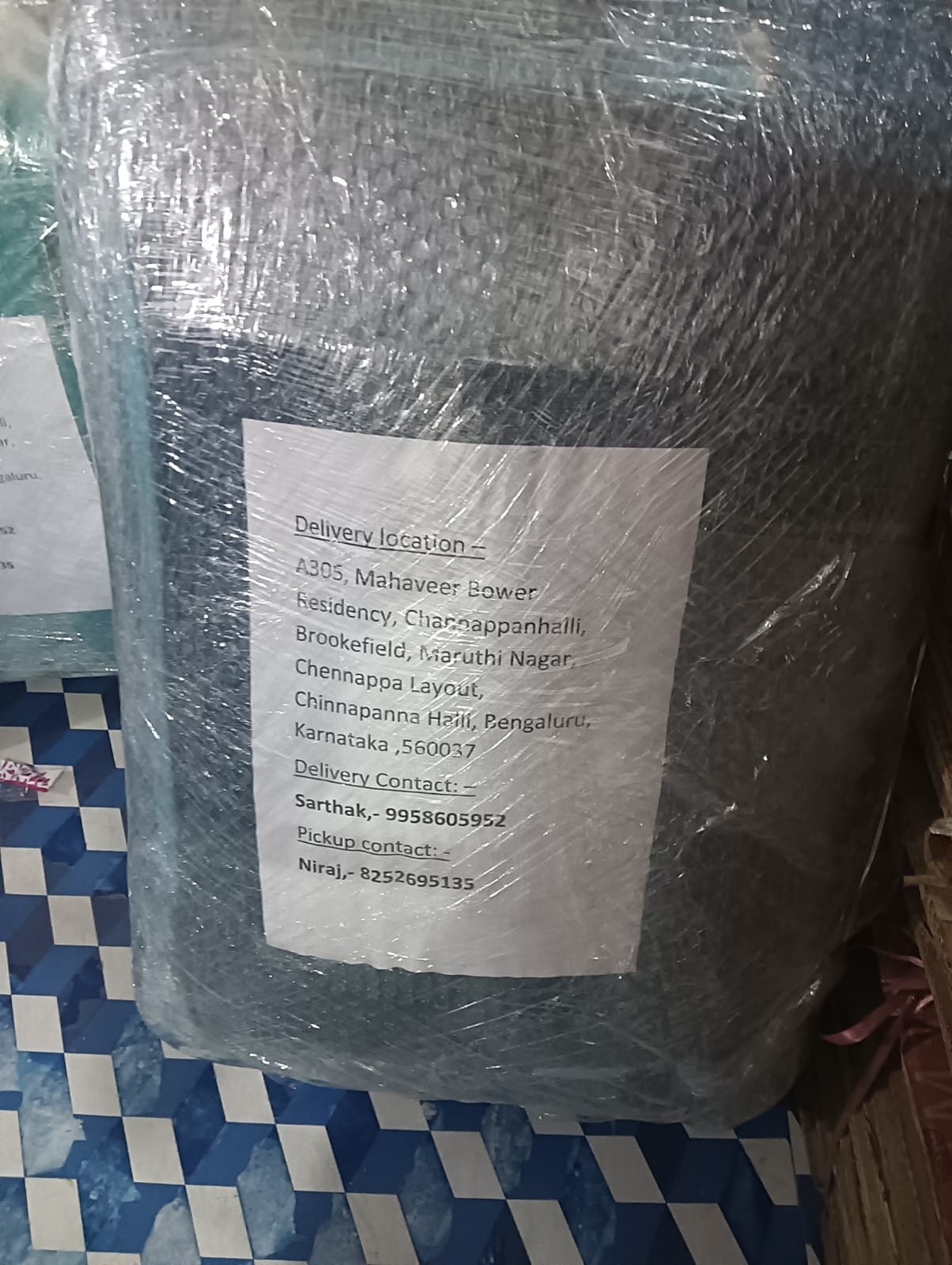
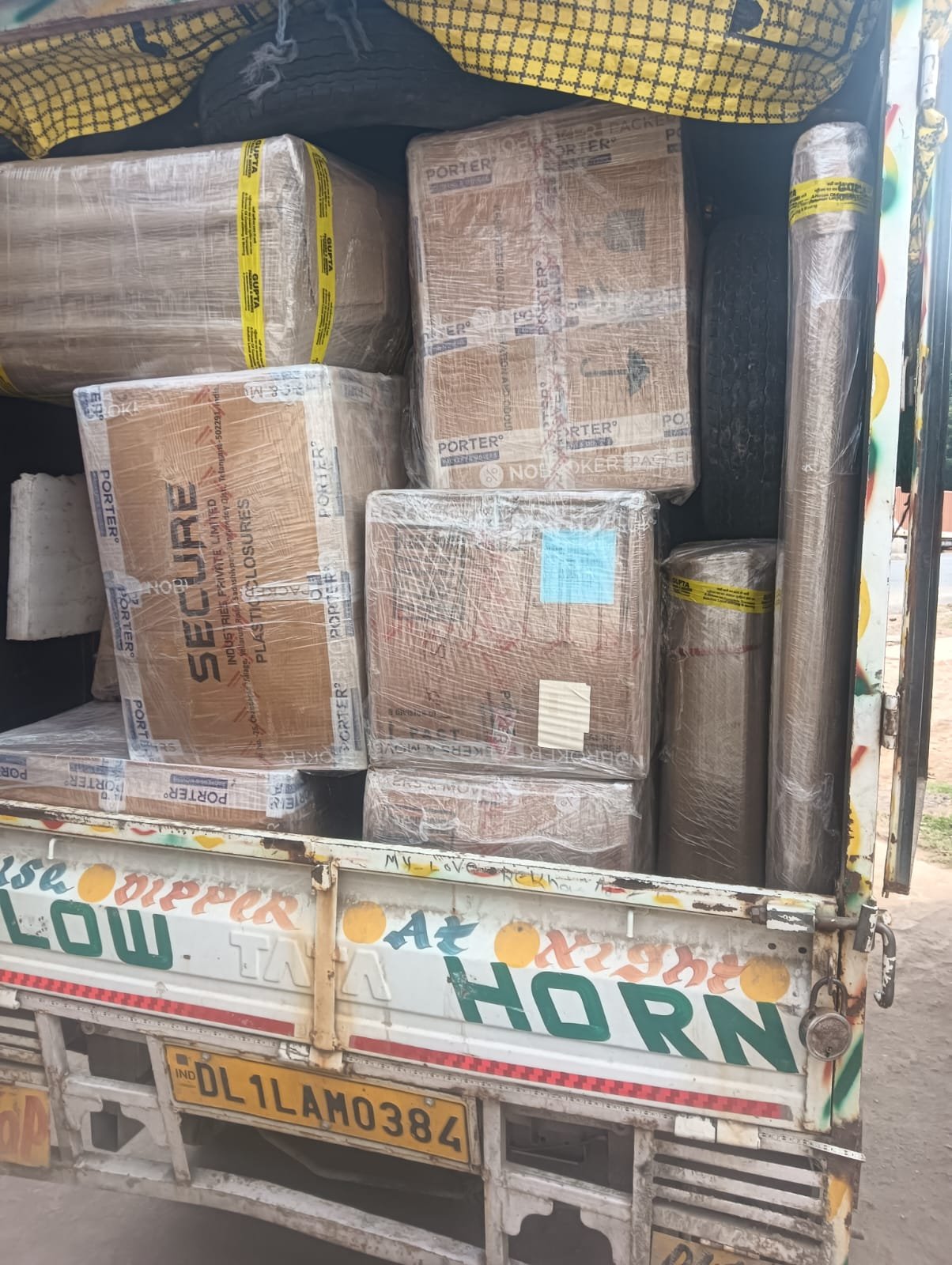
Real job-site photographic evidence of our specialized packaging materials, loading protocols, and GPS-tracked container transport.

Pre-Loading Mechanical Inspection Job-Sheets & Fastag Management for Interstate Forms Guide Vehicle
When preparing to transport a vehicle across Indian states, the pre-loading job sheet is the single most critical document for ensuring legal compliance and financial protection.
- This form serves as the primary evidence of the vehicle's condition and identity at the point of pickup.
- For interstate Registered Training Organisation (RTO) forms to be valid, the job sheet must meticulously document the chassis number and engine number.
These unique identifiers must be cross-verified against the vehicle registration certificate to prevent any discrepancies that could lead to confiscation or heavy fines at state borders. The transporter is legally responsible for ensuring these details are legible and accurate, as they form the backbone of the transaction record.
In addition to static identification numbers, the odometer reading is a vital component of the sign-off process. Recording the exact mileage at the moment of loading protects both the logistics provider and the vehicle owner. It establishes a baseline for wear and tear, allowing for a transparent comparison upon delivery.
If the odometer reading is not documented, the transporter may face allegations of unauthorized usage or negligence should the vehicle be damaged during transit. Therefore, the sign-off section must explicitly state that the odometer reading has been verified by both the sender and the receiving agent, creating a mutual acknowledgment of the vehicle's initial state.
One of the most overlooked yet financially significant steps in interstate vehicle transport is the management of FASTag systems.
- Before the vehicle is loaded onto the carrier, the owner or agent must ensure that the FASTag is either physically removed or formally disabled through the issuing bank’s portal.
- If the tag remains active, the vehicle’s movement on the highway may trigger automatic toll deductions.
- This results in double-deduction issues, where tolls are charged for the carrier’s movement as well as the loaded vehicle, leading to significant and unnecessary financial loss.
- To prevent this, the job sheet should include a specific checkbox confirming that the FASTag has been disabled or removed.
This step is essential for maintaining accurate transport costs and avoiding complex reconciliation disputes with banking institutions.
- By treating the FASTag deactivation as a mandatory sign-off item, companies can streamline their accounting processes and ensure that the vehicle’s journey remains financially transparent.
- Ignoring this protocol often leads to delayed reimbursements and strained client relationships.
- Ultimately, a comprehensive job sheet that integrates chassis verification, odometer documentation, and FASTag management provides a robust framework for safe and compliant interstate vehicle transport.
Chassis and Engine Numbers:
Must match the RC exactly to avoid legal issues.
Odometer Reading:
Documents initial mileage to prevent wear-and-tear disputes.
FASTag Status:
Tag must be removed or disabled to stop automatic toll charges.
Mutual Sign-off:
Both parties must sign to acknowledge the vehicle's condition.
Form 29 & Form 30 Verification Protocols for Interstate Forms Guide Vehicle
- Form 29, the statutory Notice of Transfer, must be filed by the vehicle owner at the originating Regional Transport Office before any interstate shipment. This form officially records the change of ownership and triggers the RTO verification process.
- Alongside Form 29, the seller must submit a valid road tax clearance certificate. Indian motor vehicle laws mandate that all outstanding state taxes be settled before jurisdiction changes, preventing dual taxation and ensuring legal compliance during interstate transit.
- A sworn seller affidavit is mandatory, declaring that the vehicle is free from financial encumbrances, court attachments, or third-party claims. This document protects the buyer and validates the transfer request.
- Once the origin RTO verifies Form 29 and tax clearance, it issues a No Objection Certificate alongside Form 29. These documents must accompany the vehicle during transport to the destination state.
- Form 30, the Application for Transfer of Ownership, is submitted by the buyer at the destination RTO within thirty days of purchase. It formally requests the issuance of a new registration certificate under the buyer’s name.
- The buyer must attach a corresponding affidavit confirming lawful purchase, accurate chassis and engine numbers, and intent to comply with the new state’s registration rules. This sworn statement safeguards against fraudulent transfers.
- Both Form 29 and Form 30 require supporting documents including the original registration certificate, valid insurance policy, pollution under control certificate, and identity proofs of both parties.
- Upon verification, the destination RTO updates the national vehicle registry, collects applicable road tax
Commercial Lorry Receipts (LR/Bilty) & Automated e-Way Bill Documentation for A Guide To Interstate Rto Forms Needed For Vehicle Transport In India
Commercial consignment notes, also known as LR/Bilty, and computerized e-Way bills play a crucial role in ensuring seamless border checkpost clearances for vehicle transport in India. These documents serve as a proof of the goods being transported and help in verifying the authenticity of the shipment.
The main purpose of these documents is to provide a clear and concise record of the goods being transported, including the type, quantity, and destination of the goods. This information helps the authorities at the border checkposts to quickly verify the shipment and ensure that it complies with the relevant regulations and laws.
Some of the key benefits of using commercial consignment notes and e-Way bills include:
Protocol 01
Reduced waiting times at border checkposts, as the documents can be quickly verified and cleared.
Protocol 02
Minimized risk of delays and penalties, as the documents provide a clear record of the shipment and its compliance with regulations.
Protocol 03
Improved security and tracking, as the e-Way bills can be generated and tracked electronically, providing real-time updates on the shipment's status.
Protocol 04
Simplified documentation and record-keeping, as the documents can be easily generated and stored electronically.
In the context of interstate RTO forms needed for vehicle transport in India, commercial consignment notes and e-Way bills are essential for ensuring compliance with the relevant regulations and laws.
- By using these documents, transporters can ensure that their shipments are properly documented and cleared at the border checkposts, reducing the risk of delays and penalties.
Overall, the use of commercial consignment notes and e-Way bills is an important aspect of vehicle transport in India, and can help to ensure seamless border checkpost clearances and compliance with the relevant regulations and laws.
Destination State Road Tax Clearances & Re-Registration Guidelines for A Guide To Interstate Rto Forms Needed For Vehicle Transport In India
When relocating to a new state in India, it is essential to understand the post-relocation destination RTO (Regional Transport Office) compliance requirements to ensure a smooth transition with your vehicle. This guide will discuss the following aspects:
Grace periods for out-of-state vehicles:
Explore the timeframe within which you need to register your vehicle in the new state and the potential grace periods offered by RTOs.
State road tax calculations:
Discover the process of calculating and paying road taxes for your vehicle in the new state, considering any differences compared to your previous state.
Lifetime road tax refund procedures:
Understand the steps involved in obtaining a refund for unused road tax paid in your previous state and the procedures for claiming a refund.
When relocating to a new state, you may be eligible for a grace period during which you can drive your vehicle without having to register it at the RTO. The duration of the grace period varies between states, so it is crucial to research the specific rules for your new location.
In some cases, you may be allowed to drive your vehicle for a limited time without registration, allowing you to settle in and explore the new region before submitting the registration formalities.
However, it is essential to note that driving without proper registration can lead to legal consequences, so be sure to familiarize yourself with the grace period guidelines and ensure registration is completed within the given timeframe.
When relocating to a new state, you will need to calculate and pay the road taxes for your vehicle accordingly. The process involves:
- Researching the road tax rates in your new state:
Consult the RTO website or visit the RTO office to gather information on the regional road tax rates. These rates may differ from your previous state, resulting in higher or lower tax obligations.
- Calculating the new road tax based on your vehicle's registration details:
Before you can calculate the new road tax, gather the following information about your vehicle:
- Vehicle registration number (VRN)
- Year of manufacture
- Engine number
- Chassis number
Once you have these details, visit the RTO website or contact the RTO office to calculate the new road tax based on the vehicle's specifications.
- Payment of road tax:
Once you have calculated the road tax, you can proceed to pay the road tax at the RTO office or online payment platforms.
Make sure to provide the calculated road tax amount along with the necessary documents and fees. Keep in mind that the payment method and documentation requirements may differ based on the RTO's procedures.
- Obtaining a new registration certificate:
Vehicle Carrier Engineering & Transit Safeguards
Grounded engineering practices ensuring zero damage across every relocation corridor
Hydraulic Ramp Loading
Low-angle hydraulic embarkation ramps designed to prevent undercarriage scraping on luxury sedans, sports cars, and low-clearance bikes.
Wheel-Lock Chocks
Heavy-gauge steel wheel stoppers and high-tensile nylon ratchet lashing straps lock every wheel rigidly to the vehicle carrier frame.
Weatherproof Enclosures
Fully closed container trailers shield consignments from highway gravel, monsoons, road tar, and direct sun exposure during transit.
Live GPS Checkpoints
Real-time GPS tracking and automated WhatsApp notifications upon departure from state tax checkposts and highway toll plazas.
IBA Approved Billing & Statutory Moving Documentation
Full compliance documentation accepted across defense, banking, PSUs, and multinational corporations
IBA Consignment Note (LR/Bilty)
Official Lorry Receipt specifying truck registration number, driver verification, seal numbers, origin-destination nodes, and declared value.
18% GST Compliant Tax Invoice
Detailed tax invoice with registered GSTIN breakdown and HSN/SAC codes (9965/9967) valid for corporate and government reimbursement.
Itemized Packing Manifest
Supervisor-verified numbered inventory checklist detailing package condition and individual item status signed during loading and delivery.
Pre-Transit Inspection Report
Photographic handover sheet recording initial odometer readings, vehicle exterior condition, fuel levels, and personal asset declarations.
Frequently Asked Questions • Interstate RTO Forms Guide for Vehicle Transport in India
What is the recommended advance booking timeline for Interstate RTO Forms Guide for Vehicle Transport in India?
We recommend reserving your transport 3 to 7 days in advance to ensure dedicated container bays, hydraulic carrier ramps, and preferred transit schedules.
Are written binding quotations provided before work commences?
Yes, Shree Ashirwad Packers and Movers provides 100% itemized, written contracts detailing packaging grades, freight charges, and insurance with zero hidden fees.
How does declared-value marine transit insurance protect my consignment?
Our declared-value transit insurance policy covers collision, fire, overturning, and transit impacts under IRDAI guidelines with computerized certificates.
Can I track my consignment location in real time during long-distance transit?
Yes, all our specialized container trucks and trailers feature live satellite GPS tracking with periodic milestone updates sent to WhatsApp.
Do you provide IBA-approved bills for government and corporate claims?
Yes, as an IBA-approved logistics operator, our GST invoices, Lorry Receipts (LR/Bilty), and packing lists are accepted across all PSUs, banks, and MNCs.
"Transported my Hyundai Creta and Royal Enfield from Ranchi to Pune in an enclosed container carrier with live GPS tracking. Both vehicles arrived in showroom condition without a single scratch. Provided genuine IBA-approved bill for corporate relocation reimbursement."
"Shifted complete 3BHK household goods from Ranchi to Bangalore with Shree Ashirwad. Exceptional packing quality using double-layer bubble wrap and sturdy cartons for fragile crockery. Zero damage, on-time delivery, and polite loading staff. Highly recommended!"
"Transported my Creta SUV and Royal Enfield motorcycle from Ranchi to Bangalore along with household items. Received live GPS location updates throughout transit. Zero damage! Best choice among professional packers and movers."
"Very honest pricing with no hidden charges. They provided a proper IBA-approved GST bill and clear transit insurance documentation for my company reimbursement. Outstanding service from reliable movers."
"Shree Ashirwad shifted our software company setup over a single Sunday. All IT servers, monitors, and ergonomic chairs were transported safely with anti-static packaging and zero operational downtime. Truly top-tier logistics team."
"Very smooth shifting experience within Ranchi. The packing crew arrived exactly on time, dismantled the furniture carefully, and assembled everything at our new flat. Transparent pricing with no hidden moving day surcharges."
A Guide to Interstate Rto Forms Needed For Vehicle Transport In India Interstate Logistics Corridor via NH-33, NH-43 & NH-20 Expressway Network
Harmu Housing Colony • Lalpur • Kanke Road • Bariatu • Doranda • Morabadi • Dhurwa (HEC) • Ratu Road • Ashok Nagar • Namkum • Tupudana Industrial Area • Birsa Chowk • Hinoo
Connected via NH-33 (Ranchi–Jamshedpur–Kolkata), NH-43 (Ranchi–Gumla), NH-20 (Ranchi–Patna), and Ring Road Expressway for non-stop interstate container movement.
Anandpuri Chowk, Vidyanagar Road, Harmu, Ranchi, Jharkhand - 834002.
24/7 Helpline: +91 8409531615 | IBA Code & ISO 9001:2015 Certified